Choosing to establish cooperation with the experienced custom polo t-shirt manufacturer can provide a powerful engine for the sustainable growth of the brand. In the dimension of brand personalization, custom-made polo shirts have become an important visual carrier. Research shows that 73% of consumers value visual consistency with the brands they interact with. By precisely applying corporate colors (with Pantone color code error rate controlled within ±0.5%) and high-resolution (usually above 300dpi) logo embroidery, brand recognition can be enhanced by 40%. For instance, the 8,000 employee uniforms customized by the technology company Slack for the Worldwide Developers Conference, with their unique color palette application, strengthened the brand image memory. Subsequent market research showed that the brand mention rate increased by 22 percentage points. The return on investment (ROI) of this kind of visual asset is usually above 150%, which is much higher than the promotional effect of general products.
Efficient supply chain management is one of the core competencies of professional custom polo shirt manufacturing. Top manufacturers can reduce the sample-making cycle to 48-72 hours and support a minimum order quantity (MOQ) as low as 50 pieces through flexible production systems, increasing inventory turnover by 30%. In the field of fabric innovation, custom polo shirts made of moisture-absorbing and quick-drying functional fabrics (with a water evaporation rate increased by more than 50%) have seen a 60% reduction in comfort complaints and a 15% increase in employee retention rates in scenarios where professional service industry employees work for more than 10 hours a day. The team training equipment program of the sportswear brand Lululemon has verified this. The coach uniforms made of custom high-elasticity fabric have shown a good performance of a 40% extension in wearing life during a six-month follow-up.
Optimizing the terminal customer experience is directly related to an increase in repurchase rates. For the development of the membership system, manufacturers can embed NFC chip technology, making each custom polo shirt an interactive touchpoint. Data shows that such smart clothing can increase user activity participation by 68%. E-commerce company Stitch Fix generated $250,000 in incremental sales in a single marketing campaign through limited edition custom polo shirts (with exclusive discount QR codes attached) in quarterly subscription boxes. In terms of timeliness indicators, professional manufacturers keep the average logistics delivery error rate within 1.5% through a full-process order tracking system, ensuring the stability of the customer fulfillment experience. This is crucial for maintaining the customer lifetime value (CLV).
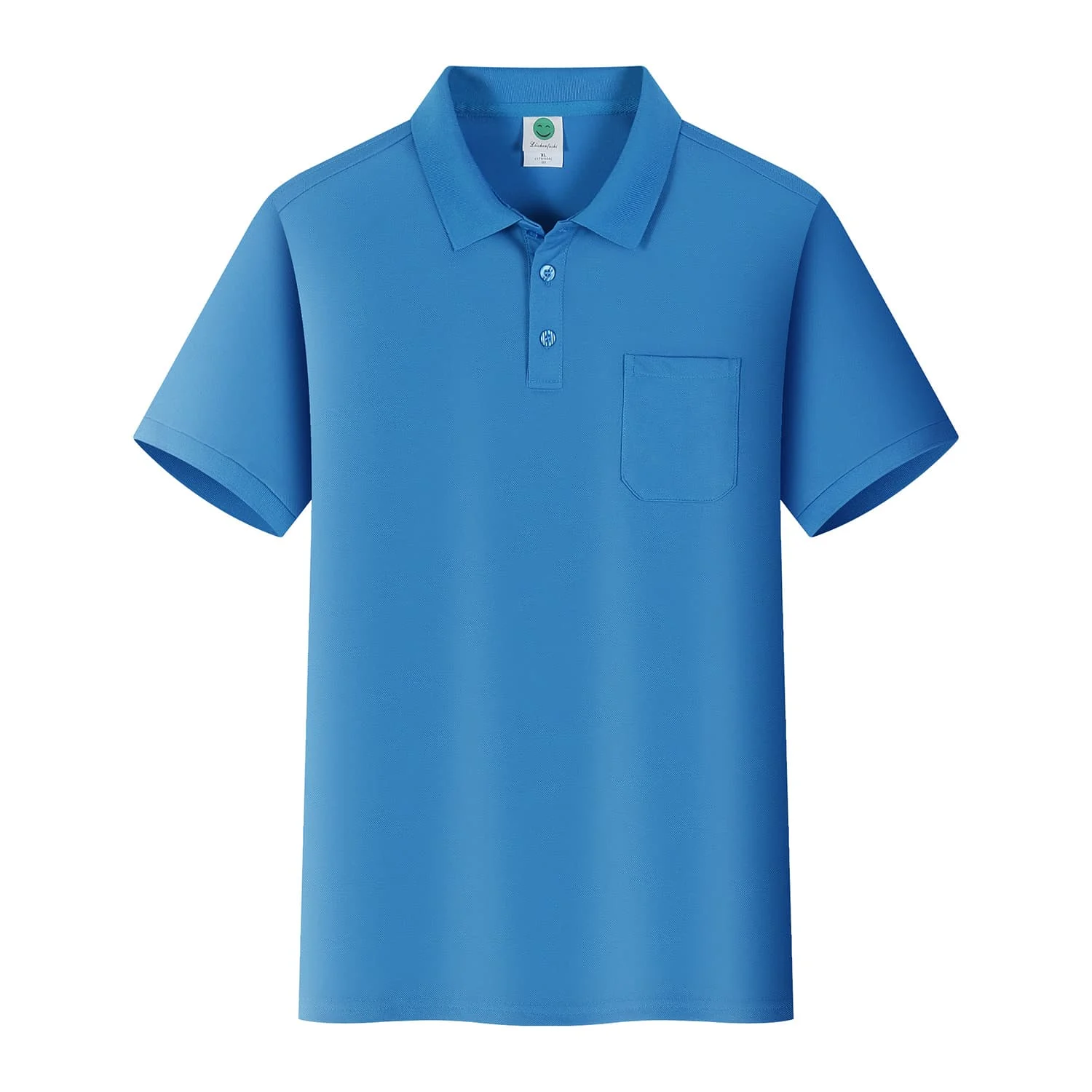 In terms of quantifying the conversion of marketing effects, custom-made polo shirts have become a data-driven marketing carrier. In the B2B scenario, corporate gift polo shirts embedded with unique ids have increased the conversion rate of sales leads by 17% and reduced the average cost of customer acquisition (CAC) to 60% of that in traditional methods. The 200,000 custom polo shirts distributed by fast-moving consumer goods company Red Bull at the music festival generated approximately $5.2 million in equivalent advertising value (EAV) through social media photo hashtags, with the content dissemination rate reaching three times that of regular advertising. The omni-channel distribution solution provided by the manufacturer covers both online and offline (O2O) scenarios. Based on the analysis of RFID data return, it can accurately calculate the frequency of user reach and behavior conversion paths in different scenarios, and the final return on investment of the activity is clear and quantifiable.
The manufacturer of custom polo T-shirts for cooperation needs to assess its risk control ability. It covers supplier certification (such as a WRap-certified factory compliance rate of 100%), carbon emission monitoring during the production process (reducing carbon emissions by 30% tons compared to traditional processes), and the proportion of sustainable fabric usage (the utilization rate of organic cotton or recycled polyester raw materials can reach 80%). Drawing on the experience of fast-fashion giant H&M's eco-friendly product line, its custom polo shirts made from a high proportion of eco-friendly materials have a premium of 15-20% among Gen Z consumers, while the brand's reputation score has risen by 35 points. The blockchain traceability solution provided by manufacturers in terms of supply chain transparency can effectively avoid compliance risks and ensure the implementation of the brand's ESG strategy. In the quality control stage, manufacturers that adopt the AQL 2.5 industrial inspection standard have compressed the defective product rate of finished products to less than 0.8%, significantly reducing after-sales costs. At the same time, they extend the product life cycle and ensure the continuous output of the brand's professional image.
In terms of quantifying the conversion of marketing effects, custom-made polo shirts have become a data-driven marketing carrier. In the B2B scenario, corporate gift polo shirts embedded with unique ids have increased the conversion rate of sales leads by 17% and reduced the average cost of customer acquisition (CAC) to 60% of that in traditional methods. The 200,000 custom polo shirts distributed by fast-moving consumer goods company Red Bull at the music festival generated approximately $5.2 million in equivalent advertising value (EAV) through social media photo hashtags, with the content dissemination rate reaching three times that of regular advertising. The omni-channel distribution solution provided by the manufacturer covers both online and offline (O2O) scenarios. Based on the analysis of RFID data return, it can accurately calculate the frequency of user reach and behavior conversion paths in different scenarios, and the final return on investment of the activity is clear and quantifiable.
The manufacturer of custom polo T-shirts for cooperation needs to assess its risk control ability. It covers supplier certification (such as a WRap-certified factory compliance rate of 100%), carbon emission monitoring during the production process (reducing carbon emissions by 30% tons compared to traditional processes), and the proportion of sustainable fabric usage (the utilization rate of organic cotton or recycled polyester raw materials can reach 80%). Drawing on the experience of fast-fashion giant H&M's eco-friendly product line, its custom polo shirts made from a high proportion of eco-friendly materials have a premium of 15-20% among Gen Z consumers, while the brand's reputation score has risen by 35 points. The blockchain traceability solution provided by manufacturers in terms of supply chain transparency can effectively avoid compliance risks and ensure the implementation of the brand's ESG strategy. In the quality control stage, manufacturers that adopt the AQL 2.5 industrial inspection standard have compressed the defective product rate of finished products to less than 0.8%, significantly reducing after-sales costs. At the same time, they extend the product life cycle and ensure the continuous output of the brand's professional image.
In terms of quantifying the conversion of marketing effects, custom-made polo shirts have become a data-driven marketing carrier. In the B2B scenario, corporate gift polo shirts embedded with unique ids have increased the conversion rate of sales leads by 17% and reduced the average cost of customer acquisition (CAC) to 60% of that in traditional methods. The 200,000 custom polo shirts distributed by fast-moving consumer goods company Red Bull at the music festival generated approximately $5.2 million in equivalent advertising value (EAV) through social media photo hashtags, with the content dissemination rate reaching three times that of regular advertising. The omni-channel distribution solution provided by the manufacturer covers both online and offline (O2O) scenarios. Based on the analysis of RFID data return, it can accurately calculate the frequency of user reach and behavior conversion paths in different scenarios, and the final return on investment of the activity is clear and quantifiable.
The manufacturer of custom polo T-shirts for cooperation needs to assess its risk control ability. It covers supplier certification (such as a WRap-certified factory compliance rate of 100%), carbon emission monitoring during the production process (reducing carbon emissions by 30% tons compared to traditional processes), and the proportion of sustainable fabric usage (the utilization rate of organic cotton or recycled polyester raw materials can reach 80%). Drawing on the experience of fast-fashion giant H&M's eco-friendly product line, its custom polo shirts made from a high proportion of eco-friendly materials have a premium of 15-20% among Gen Z consumers, while the brand's reputation score has risen by 35 points. The blockchain traceability solution provided by manufacturers in terms of supply chain transparency can effectively avoid compliance risks and ensure the implementation of the brand's ESG strategy. In the quality control stage, manufacturers that adopt the AQL 2.5 industrial inspection standard have compressed the defective product rate of finished products to less than 0.8%, significantly reducing after-sales costs. At the same time, they extend the product life cycle and ensure the continuous output of the brand's professional image.