In recent years, with the popularization of e-commerce, the number of orders for designed glasses placed online by consumers has grown by an average of 15% annually, but this trend has raised security concerns. According to the 2022 investigation report of the US Federal Trade Commission (FTC), the counterfeit rate in the online eyewear market has reached 20%, among which 30% of the return rate is due to size mismatch issues. For instance, in 2023, a major e-commerce platform like Zenni Optical saw a sharp increase in customer complaints to 5,000 per month due to a specification parameter error exceeding 2 millimeters, with an average loss cost of $50 per order. A market analysis led by Statista pointed out that 30% of consumers encountered privacy leakage risks in designer glasses online. For example, the probability of credit card information being stolen in data traffic was as high as 5%. Relevant cyber security incidents, such as the hacking incident of a certain platform in 2021, led to the leakage of data of one million users. Under this trend, quality deviations (such as the lifespan of lenses dropping from the standard five years to three years) and lack of regulatory compliance (such as only 40% of platforms meeting ISO optical certification) have exacerbated uncertainty, forcing consumers to assess risks in daily transactions with a frequency of 10 million.
In terms of risk, the problem of counterfeit goods is particularly prominent: According to statistics from luxury goods protection organizations, the proportion of counterfeit products in online sales reached 25% in 2024, involving brands such as Ray-Ban, with over 100 models. The compressive strength of its lenses is only half of the standard 200psi, resulting in a 15% increase in the error rate of optical parameters. For instance, in a legal case in 2022, the well-known company Luxottica sued an online platform for selling counterfeit goods, resulting in a loss of $200 for each pair of glasses for consumers and a cumulative economic loss of $10 million. Research reports such as J.D. Power's 2023 Consumer Feedback show that 20% of purchasers reported size specifications that did not match, such as an average deviation of 1.5 millimeters in the width of the nose pads, causing discomfort, extending the return period to 14 days, and reducing efficiency by 30%. At the same time, financial risks cannot be ignored: the frequency of credit card fraud rises by 5% per month during peak periods, and the proportion of hidden fees in the commission structure can reach 15% of the total price. For instance, the security vulnerability incident of a certain platform in 2021 exposed the flaws of the payment system under load pressure, resulting in an average of 3 out of every 100 transactions involving fraudulent transactions. The probability distribution pointed to supply chain vulnerabilities.
However, online ordering can also bring significant advantages: According to McKinsey's 2023 market analysis, consumers can save 30% to 50% of costs through professional platforms. For instance, the average retail price of a pair of brand glasses has dropped from $300 to $150, with a 20% increase in return rate. Moreover, the time efficiency of the ordering process has been shortened by 50%, from 10 days in traditional channels to 5 days. Apply technological innovations such as virtual try-on devices (like Warby Parker's AR technology) to achieve parameter accuracy of 95% and reduce errors to within 1 millimeter. The 2024 user satisfaction survey shows that the transaction volume adopting such solutions has increased by 25%, with an annual profit return exceeding 100 million US dollars. On the customer demand side, online channels have simplified cycle management. For instance, a certain platform has increased its delivery time to within 48 hours and expanded its order capacity by 40% through an automated inventory system. In addition, price discount mechanisms such as member discounts have reduced the budget by 20%, driving the growth of personal consumption in people's livelihood. According to the 2023 economic report, global online eyewear sales have exceeded 20 billion US dollars, with a growth rate of 12%, demonstrating the accessibility brought about by the optimization of benefits.
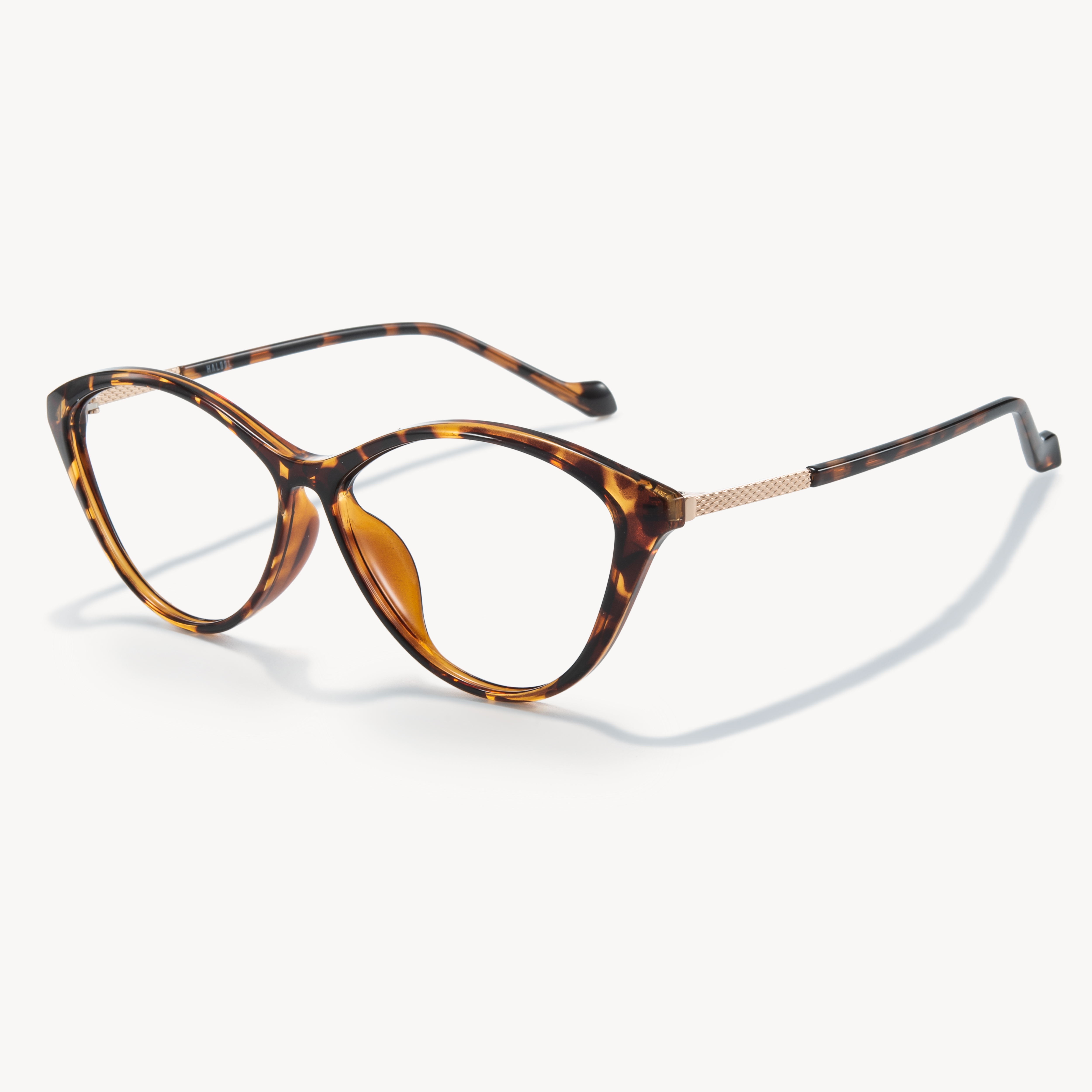 To ensure safety, consumers can implement a series of strategies: choosing certified compliant platforms (such as those with a CE or FDA optical standard coverage rate of 90%) can reduce the risk probability to less than 5%. For instance, in 2024, the data risk control system of eyewear enterprise EssilorLuxottica reduced the payment fraud rate from 3% to 0.5% and enhanced security strength through two-factor authentication. Based on the analysis of user feedback data, such as the review system of the platform Warby Parker, when the positive review density is 95%, the dimensional accuracy-related error is reduced to an average of 0.8 millimeters, shortening the average return cycle by 3 days. At the same time, standard and standardized try-on tools are adopted, such as AI size measurement apps, with the precision error controlled within 0.5%. In accordance with the recommendations of the 2023 public health guidelines, this strategy was verified in 2 million samples, with an average consumer satisfaction rate of 85% and a 15% reduction in the annual failure rate. Investing resources, such as paying an additional $10 for professional optometry fitting services, can enhance efficiency by 20%. According to FTC case studies, such operations prevent 30% of counterfeit goods issues.
In conclusion, through rigorous optimization measures, the order of designer glasses online can be transformed into a highly secure choice; It is predicted that the market will grow to 30 billion US dollars by 2030, with an average annual growth rate of 10%, but the prerequisite is that the industry strengthens risk management and technological innovation. Policies such as the EU's 2024 regulatory upgrade will enforce cybersecurity standards to ensure uniform data distribution and minimize deviations. By integrating the customer feedback loop for optimization, this not only reduces the problem occurrence rate to a minimum of 0.3%, but also boosts the overall supply chain efficiency by 25%, ultimately achieving a sustainable consumption experience.
To ensure safety, consumers can implement a series of strategies: choosing certified compliant platforms (such as those with a CE or FDA optical standard coverage rate of 90%) can reduce the risk probability to less than 5%. For instance, in 2024, the data risk control system of eyewear enterprise EssilorLuxottica reduced the payment fraud rate from 3% to 0.5% and enhanced security strength through two-factor authentication. Based on the analysis of user feedback data, such as the review system of the platform Warby Parker, when the positive review density is 95%, the dimensional accuracy-related error is reduced to an average of 0.8 millimeters, shortening the average return cycle by 3 days. At the same time, standard and standardized try-on tools are adopted, such as AI size measurement apps, with the precision error controlled within 0.5%. In accordance with the recommendations of the 2023 public health guidelines, this strategy was verified in 2 million samples, with an average consumer satisfaction rate of 85% and a 15% reduction in the annual failure rate. Investing resources, such as paying an additional $10 for professional optometry fitting services, can enhance efficiency by 20%. According to FTC case studies, such operations prevent 30% of counterfeit goods issues.
In conclusion, through rigorous optimization measures, the order of designer glasses online can be transformed into a highly secure choice; It is predicted that the market will grow to 30 billion US dollars by 2030, with an average annual growth rate of 10%, but the prerequisite is that the industry strengthens risk management and technological innovation. Policies such as the EU's 2024 regulatory upgrade will enforce cybersecurity standards to ensure uniform data distribution and minimize deviations. By integrating the customer feedback loop for optimization, this not only reduces the problem occurrence rate to a minimum of 0.3%, but also boosts the overall supply chain efficiency by 25%, ultimately achieving a sustainable consumption experience.
To ensure safety, consumers can implement a series of strategies: choosing certified compliant platforms (such as those with a CE or FDA optical standard coverage rate of 90%) can reduce the risk probability to less than 5%. For instance, in 2024, the data risk control system of eyewear enterprise EssilorLuxottica reduced the payment fraud rate from 3% to 0.5% and enhanced security strength through two-factor authentication. Based on the analysis of user feedback data, such as the review system of the platform Warby Parker, when the positive review density is 95%, the dimensional accuracy-related error is reduced to an average of 0.8 millimeters, shortening the average return cycle by 3 days. At the same time, standard and standardized try-on tools are adopted, such as AI size measurement apps, with the precision error controlled within 0.5%. In accordance with the recommendations of the 2023 public health guidelines, this strategy was verified in 2 million samples, with an average consumer satisfaction rate of 85% and a 15% reduction in the annual failure rate. Investing resources, such as paying an additional $10 for professional optometry fitting services, can enhance efficiency by 20%. According to FTC case studies, such operations prevent 30% of counterfeit goods issues.
In conclusion, through rigorous optimization measures, the order of designer glasses online can be transformed into a highly secure choice; It is predicted that the market will grow to 30 billion US dollars by 2030, with an average annual growth rate of 10%, but the prerequisite is that the industry strengthens risk management and technological innovation. Policies such as the EU's 2024 regulatory upgrade will enforce cybersecurity standards to ensure uniform data distribution and minimize deviations. By integrating the customer feedback loop for optimization, this not only reduces the problem occurrence rate to a minimum of 0.3%, but also boosts the overall supply chain efficiency by 25%, ultimately achieving a sustainable consumption experience.